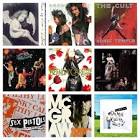
Beyond the Music: Crafting Nashville’s Iconic Album Art & Visual Identity
Nashville. Just the name conjures a symphony, doesn’t it? A rich tapestry woven with steel guitar laments, soaring vocal harmonies, and the rhythmic pulse of a city built on song. We talk endlessly about the melodies, the lyrics that pierce the heart, the voices that define generations. But what about the other half of the story? The silent siren call that first catches your eye, the visual echo of the sound within? We’re talking about album art, visual identity, and the stunning, often-overlooked creative world that crafts Nashville’s iconic look.
For too long, the visual storytelling of Music City has been the unsung hero, the quiet partner to the booming bass and the ringing fiddle. Yet, it’s these visual elements – from the stark black-and-white portraits of country pioneers to the slick, digital-first aesthetics of today’s pop-country stars – that have shaped our perception, defined eras, and invited us into the very soul of the music before a single note even hit our ears. It’s a profound connection, a first impression that lasts, and a testament to the incredible talent working *beyond the notes* to give sound a face.
This isn’t just about pretty pictures; it’s about strategic branding, cultural commentary, and the painstaking artistry that goes into transforming an auditory experience into a tangible, visual artifact. Join us on a deep dive into Nashville’s visual narrative, exploring how the city’s unique spirit, its evolving sounds, and its creative minds have sculpted some of the most memorable and enduring visual identities in music history. Get ready to see Music City in a whole new light.
I. The Unsung Canvas: Nashville’s Visual Storytelling Roots
When you think of Nashville, your mind probably jumps straight to the legends: Hank Williams strumming his guitar, Patsy Cline belting out a ballad, Johnny Cash giving the finger at Folsom Prison. You *hear* them. But what did they *look* like on their records? How did those early album covers, sometimes nothing more than a simple portrait, begin to define their personas and the very genre they inhabited? The truth is, long before elaborate music videos or social media feeds, the album cover was the primary visual handshake between artist and audience. In Nashville, this handshake carried a weight of authenticity, a promise of storytelling that ran deep.
The Genesis of an Image: Before Digital, Before MTV
Imagine a world without immediate access to every artist’s curated Instagram feed, a time when a flickering television set might be your only glimpse of a performer outside of a live show. In this landscape, the album cover wasn’t just packaging; it was a window, a portal, and often, the *only* visual representation of the music contained within. When you walked into a record store, those square sleeves lining the racks were vying for your attention, each one whispering a different story. For Nashville artists, who often built their careers on relatable narratives and down-to-earth personas, that initial visual impression was paramount.
Early record covers, especially in the 78 rpm and then 45 rpm single era, were often simple and utilitarian. A standard label, perhaps a generic sleeve. But as the long-playing (LP) record gained traction in the late 1940s and 1950s, the canvas expanded. Suddenly, artists and labels had a 12×12 inch space to play with, a significant leap from the tiny center label. This wasn’t just more room; it was an opportunity for *expression*.
For Nashville, steeped in the traditions of folk, blues, and country music, this often meant a focus on authenticity. There was less of the abstract art experimentation seen in some jazz or classical covers of the time. Instead, Nashville’s early visual language leaned into directness: a straightforward portrait of the artist, perhaps with their instrument, set against a humble backdrop. Think of the early Mercury Records or Capitol Records country sleeves – often black and white, sometimes tinted with a sepia tone, capturing a performer mid-song or in a thoughtful pose. These weren’t just photographs; they were character studies, promising a genuine connection to the singer’s soul.
[IMAGE: Vintage 1950s country music album cover with a black and white portrait of the artist]
From Radio Waves to Visual Waves: The Opry’s Influence
The Grand Ole Opry, Nashville’s pulsating heart, played an undeniable role in shaping the visual identities of its stars, even before album art became sophisticated. The Opry was a radio show, yes, but it was also a live spectacle. Audiences saw their heroes on stage, dressed in their finest Nudie suits, with sparkling rhinestones and intricate embroidery. This visual grandeur, albeit for a live, in-person audience, translated into the expectations for how an artist *should* look.
When those artists stepped into a photography studio for their album covers, there was a conscious effort to capture that Opry stage persona. The posture, the smile, the way they held their guitar – it all contributed to an evolving visual lexicon. For many, the Opry wasn’t just a performance venue; it was a brand, and its stars carried that brand. The visual identity of Opry legends like Roy Acuff or Minnie Pearl was instantly recognizable, not just by their voices but by their characteristic stage outfits and expressions. These visual cues became inextricably linked to the music.
Early Pioneers and Unsung Visionaries
While many early album covers don’t credit the photographers or designers prominently, there were certainly unsung visionaries at work. Often, it was the record label’s in-house art department, or local Nashville photographers who had a knack for capturing the grit and glamour of country music. They understood that a country artist wasn’t trying to project an otherworldly image; they were trying to connect with everyday people.
* Photography’s Evolution: Early commercial photography, especially for mass reproduction, had its limitations. Black and white was the norm for cost and technical reasons. Lighting was often simple, designed to clearly illuminate the artist. Yet, within these constraints, skilled photographers found ways to convey personality. A wry smile, a distant gaze, a confident stance – these subtle cues became part of Nashville’s visual language.
* Typographic Trends: The fonts used on these early covers were also significant. Often blocky, traditional serifs or hand-drawn custom lettering that evoked a sense of Americana, sincerity, or even a touch of homespun charm. These weren’t abstract artistic choices; they were deliberate decisions to reinforce the genre’s down-to-earth appeal.
Think of the covers for Hank Williams. Simple, direct. Often just him, his guitar, and a sincere expression. These weren’t elaborate shoots; they were captures of a man who embodied his music. This simplicity was, in itself, a powerful visual statement in an era when other genres might be experimenting with more abstract or stylized designs. Nashville was saying, “Here I am, this is my song, no frills, just heart.”
The Narrative Imperative: Visuals as Storytellers
What set Nashville’s visual identity apart early on was its unwavering commitment to storytelling. Country music has always been a narrative art form, weaving tales of love, loss, hardship, and triumph. The album art needed to reflect this. It wasn’t just about showing the artist; it was about hinting at the stories waiting inside the grooves of the record.
A photograph of an artist leaning against an old Ford truck, or standing by a rustic fence, or gazing out at a vast field, immediately created a context. It spoke volumes about their roots, their experiences, and the themes they explored in their songs. This wasn’t accidental; it was a deliberate choice to align the visual with the lyrical. The image became a silent prologue to the album’s narrative.
Consider how this contrasts with other genres. A rock album might feature an abstract explosion of color or a surreal landscape. A jazz album might showcase modernist typography or a mysterious, smoky club scene. Nashville, however, largely stuck to the tangible, the relatable. The images were meant to ground the artist, to make them approachable, to reinforce their connection to the audience’s own lived experiences.
This foundational commitment to visual storytelling, rooted in authenticity and a direct connection to the artist’s persona, laid the groundwork for everything that came next. It established a precedent that even as styles changed, technologies advanced, and genres evolved, the visual identity of Nashville music would remain intrinsically linked to its narrative core. It was, and remains, an unsung canvas where the stories truly come alive.
II. From Honky Tonk Hues to Pop-Country Polish: A Visual Journey Through Nashville’s Eras
If Nashville’s music scene were a river, its visual identity would be the ever-shifting landscape along its banks – sometimes rugged and wild, sometimes manicured and serene, always reflecting the prevailing currents. The evolution of album art and visual branding in Music City isn’t just a tale of changing aesthetics; it’s a vibrant chronicle of cultural shifts, technological advancements, and the relentless drive of artists to connect with their audiences. Let’s take a journey through the decades, tracing the visual metamorphosis from the raw honesty of honky-tonk to the glossy sheen of contemporary country.
The 1940s-1950s: The Raw Heart of Honky Tonk and Traditionalism
Step back into the immediate post-war era, and Nashville’s music was primarily the sound of the working class, often played in dimly lit honky-tonks. The visual identity of this period was, unsurprisingly, reflective of that environment: authentic, unvarnished, and often stark.
* Visual Characteristics:
* Simplicity and Directness: Album covers were typically straightforward portraits of the artist. The focus was entirely on the performer’s face, conveying sincerity and approachability.
* Black and White/Sepia Tones: Cost and technology dictated much of the early photography. Black and white or sepia-toned images were standard, sometimes with a single spot color for text or an accent. This inherently lent a timeless, almost historical feel to the covers.
* Humble Settings: Backdrops were often minimal – a plain studio wall, a simple stage curtain, or occasionally a rustic outdoor scene (a barn, a field, a roadside). This reinforced the artists’ down-to-earth personas.
* Instruments as Props: The guitar, fiddle, or mandolin were almost always present, not just as props but as extensions of the artist’s identity, signifying their craft.
* Modest Attire: Artists typically wore everyday clothes or simple stage wear, emphasizing their relatability rather than extravagance.
* Iconic Examples: Think of early Hank Williams releases, the initial LPs from Ernest Tubb, or Patsy Cline’s first records. Their covers were unpretentious, letting the artist’s honest gaze speak volumes. There’s a particular earnestness in these images, a lack of artifice that perfectly matched the heartfelt, often mournful sincerity of their music.
[IMAGE: Vintage 1950s album cover of Hank Williams, black and white portrait with guitar]
* Cultural Context: This was a period when country music was solidifying its identity, distinct from pop. The visuals reinforced its roots in rural America and working-class struggles, appealing to an audience that valued honesty and relatable narratives.
The 1960s-1970s: The Nashville Sound’s Smoothness Meets Outlaw Grit
The 60s and 70s brought significant shifts to Nashville’s sound and, consequently, its visual identity. The rise of the “Nashville Sound” introduced lush string arrangements and polished production, while later, the “Outlaw Movement” rebelled against this very polish. Both left indelible visual marks.
The Nashville Sound (Early-Mid 60s)
* Visual Characteristics:
* Sophisticated Photography: With advancements in color photography and printing, covers became more vibrant and artistic. Studio portraits remained, but with more refined lighting and composition.
* Glossy, Polished Aesthetic: Reflecting the smooth production, album art often took on a cleaner, more glamorous look. Artists might be photographed in elegant attire, sometimes with soft focus to create a dreamy effect.
* Scenic Backdrops: Nashville itself, or idealized rural landscapes, began to feature more prominently. Rolling hills, blooming fields, or even grand, almost cinematic settings implied a broader appeal beyond regional confines.
* Symbolism and Mood: There was a greater effort to evoke emotion or a specific mood through the visuals, rather than just presenting a direct portrait.
* Iconic Examples: Patsy Cline’s later albums, Jim Reeves’ releases, and the early works of Loretta Lynn often showcased this more polished look. The aim was often to make country music more palatable to a broader, mainstream audience, and the visuals played a crucial role in that crossover appeal.
[IMAGE: Album cover from the 1960s featuring a polished country singer in a scenic, slightly dreamy setting]
The Outlaw Movement (Late 60s-70s)
* Visual Characteristics:
* Rebellious and Rugged: A deliberate rejection of the polished Nashville Sound. Covers often featured artists in denim, leather, or casual wear, looking a bit disheveled, even defiant.
* Authenticity Over Glamour: Photography favored natural, candid shots, often on location – dive bars, dusty roads, or just a raw, unadorned studio setting.
* Darker Tones and Grittier Textures: Color palettes might be muted, blacks deeper, and images less “clean.” This visual grittiness matched the lyrical themes of independence and struggle.
* Strong Personalities: The focus was on the individualistic spirit of the artists. Willie Nelson’s braids, Waylon Jennings’ intensity, Johnny Cash’s stoicism – these defining features were central.
* Iconic Examples: Willie Nelson’s Red Headed Stranger (its simple, bold typography and almost stark photograph of Willie alone with his guitar became an instant classic), Waylon Jennings’ Honky Tonk Heroes, and much of Johnny Cash’s work during this period. These covers were statements of defiance, signaling a different kind of country music.
[IMAGE: Album cover of Willie Nelson’s Red Headed Stranger, simple and iconic]
* Cultural Context: The 60s and 70s saw massive cultural upheaval. The Outlaw movement was country’s response to the counterculture, demanding artistic freedom and authenticity, and their album art perfectly mirrored this spirit.
The 1980s: Urban Cowboy Glitz and Neo-Traditional Return
The 1980s were a decade of stark visual contrasts in Nashville. Early in the decade, the “Urban Cowboy” phenomenon brought a new level of pop crossover, while later, the Neo-Traditional movement sought to bring country back to its roots, albeit with a modern sheen.
Urban Cowboy & Crossover Appeal (Early 80s)
* Visual Characteristics:
* Glamour and Polish: Influenced by pop and rock aesthetics, covers featured highly stylized photography, often with dramatic lighting and studio effects.
* Fashion-Forward: Artists sported big hair, elaborate costumes, and sometimes a more overt “sexy” appeal. Rhinestones and sparkle made a comeback, but with an 80s sensibility.
* Bold Graphics & Typography: Typefaces were often sleek, modern, or disco-inspired, sometimes incorporating metallic or neon effects.
* Aspirational Imagery: Covers often conveyed a sense of success, luxury, or a party atmosphere, reflecting the commercial aspirations of the music.
* Iconic Examples: Look at Ronnie Milsap’s covers, or the visual branding around the film *Urban Cowboy* itself. These visuals aimed for broad, mainstream appeal, often blurring lines with adult contemporary pop.
Neo-Traditionalism (Mid-Late 80s)
* Visual Characteristics:
* Return to Roots: A conscious effort to hark back to earlier country aesthetics, but with modern photographic quality.
* Clean and Classic: Images were often clean studio portraits or carefully composed outdoor shots, emphasizing sincerity and traditional values.
* Understated Elegance: While polished, there was a rejection of excessive glitz. Artists wore classic Western wear or smart casuals.
* Legible, Traditional Typography: Fonts tended to be classic serifs or script styles, reinforcing a sense of timelessness and respect for tradition.
* Iconic Examples: George Strait’s consistently classic covers, Randy Travis’s soulful portraits, and Alan Jackson’s early work. These artists used visuals to signal a return to the “real” country sound, and their album art became synonymous with authenticity and enduring musical quality.
[IMAGE: Album cover of George Strait, classic country pose, understated elegance]
* Cultural Context: The 80s saw country music battling for market share and defining its identity in a rapidly changing music landscape. The visual shifts reflected both the desire for mainstream success and a longing for traditional values.
The 1990s: The Boom, The Crossover, and High Production Value
The 90s were a seismic decade for country music, catapulting it into unprecedented mainstream success. Album art followed suit, becoming incredibly polished, strategically branded, and designed for mass appeal.
* Visual Characteristics:
* High-Gloss Photography: Studio photography was paramount, with meticulous lighting, styling, and post-production. Images were bright, sharp, and often aspirational.
* Artist as Superstar: Covers presented artists as accessible yet glamorous figures. There was an emphasis on charisma, a confident smile, and an inviting demeanor.
* Strategic Styling: Fashion became a critical element. Whether it was Garth Brooks’ everyman charm, Shania Twain’s pop-star allure, or Faith Hill’s sophisticated elegance, clothing, hair, and makeup were expertly curated.
* Diverse Settings: While studio shots were common, covers also utilized evocative outdoor settings – vast landscapes, idyllic small towns, or even urban environments – to broaden appeal.
* Clean, Bold Typography: Fonts were generally highly legible, often sans-serif, reflecting a modern, confident brand.
* Iconic Examples: Garth Brooks’ *No Fences*, Shania Twain’s *Come On Over*, Faith Hill’s *Breathe*. These covers were not just pretty pictures; they were carefully constructed brand statements that resonated with millions. They projected a sense of warmth, success, and universal appeal, perfectly complementing the crossover sound dominating the airwaves.
[IMAGE: Album cover of Shania Twain’s Come On Over, bright, confident, pop-country aesthetic]
* Cultural Context: The 90s saw country music become a global phenomenon. Album art was integral to this expansion, creating visual brands that were recognizable and appealing across diverse demographics. The CD format reigned supreme, allowing for greater visual detail and impact.
The 2000s-2010s: Bro-Country, Pop Infusion, and Digital Dominance
The turn of the millennium brought new challenges and opportunities. The digital age began to shrink the physical album cover, but also opened up new avenues for visual branding. The music itself became more diverse, leading to varied visual expressions.
Bro-Country & Party Aesthetic (Mid-2000s to early 2010s)
* Visual Characteristics:
* Youthful and Energetic: Covers often depicted artists in casual settings – tailgates, beaches, bonfires – projecting a fun-loving, party vibe.
* Authenticity to a Lifestyle: While still highly produced, the aesthetic aimed for a “real” feel, often featuring friends, trucks, and scenes of camaraderie.
* Bright Colors and Action Shots: Photography often captured movement, excitement, and a vibrant color palette, reflecting upbeat, summer-anthem tracks.
* Muscularity and Masculinity: A recurring theme, especially for male artists, was a focus on physical prowess and a rugged, outdoorsy image.
* Iconic Examples: Luke Bryan’s *Crash My Party*, Florida Georgia Line’s *Here’s to the Good Times*. These visuals were explicitly targeted at a younger demographic, emphasizing good times and a carefree spirit.
[IMAGE: Album cover of Luke Bryan, casual outdoor party scene, youthful energy]
Pop Infusion & Genre Blurring
* Visual Characteristics:
* Sleek and Modern: Influenced by mainstream pop, covers adopted cleaner lines, minimalist designs, and often more abstract concepts.
* Fashion-Forward and Editorial: Artists were increasingly styled like pop icons, with high-fashion looks and editorial-quality photography.
* Diverse Settings and Moods: From dramatic urban landscapes to ethereal, almost otherworldly studio shots, the settings broadened to reflect the genre’s expansion.
* Digital-First Consideration: With streaming becoming dominant, covers needed to be impactful even as tiny thumbnails, leading to bolder, simpler concepts.
* Iconic Examples: Taylor Swift’s early pop-leaning country albums, Carrie Underwood’s powerful and glamorous covers. These visuals showed country artists comfortable embracing a wider, more pop-influenced aesthetic while retaining elements of their country roots.
* Cultural Context: The rise of digital music platforms (iTunes, then streaming) fundamentally changed the role of album art. It became a thumbnail, a social media post, as much as a physical sleeve. This forced designers to think differently about impact and memorability in a fragmented visual landscape.
The 2020s & Beyond: Diversity, Digital, and Hyper-Personalization
Today’s Nashville music scene is arguably the most diverse it has ever been, and its visual identity reflects this beautiful complexity. The digital ecosystem is paramount, but there’s also a powerful resurgence of physical media as art objects.
* Visual Characteristics:
* Authenticity and Vulnerability: A strong trend towards artists showing more of their true selves, whether through candid photography, un-retouched images, or intimate conceptual art.
* Genre Fluidity: Covers often defy traditional country aesthetics, blending elements from indie, R&B, rock, and folk to match the genre-bending music.
* Artistic Experimentation: There’s a willingness to push boundaries with photography, illustration, and graphic design, moving beyond typical country tropes.
* Empowerment and Inclusivity: Visuals increasingly celebrate diverse voices, body types, and experiences, challenging long-held stereotypes of what a “country artist” looks like.
* Digital and Physical Harmony: Designs are often conceived to work equally well as a tiny streaming icon, a large vinyl cover, or a social media campaign.
* Iconic Examples: Kacey Musgraves’ *Golden Hour* (dreamy, psychedelic, soft), Chris Stapleton’s *Traveller* (raw, honest, timeless black and white), Mickey Guyton’s *Remember Her Name* (powerful, regal, deeply personal). These artists, and many others, are using their visual identities to carve out unique spaces, reflecting complex narratives and evolving sonic landscapes.
[IMAGE: Album cover of Kacey Musgraves’ Golden Hour, ethereal, dreamy, warm tones]
* Cultural Context: This era is defined by extreme digital saturation, social consciousness, and a demand for genuine connection. Artists are leveraging visual identity not just for promotion but for deep, meaningful personal branding that resonates with highly engaged audiences. The vinyl resurgence has also reignited interest in the tactile and aesthetic qualities of large-format album art.
This journey through Nashville’s visual history reveals a constant interplay between tradition and innovation. Each era built upon the last, adapting to new technologies, responding to cultural shifts, and always striving to give the music a face that was as compelling and unforgettable as the songs themselves.
III. The Art & The Architects: Crafting Iconic Visions in Music City
Behind every memorable album cover, every striking artist logo, every cohesive visual campaign emanating from Nashville, there’s a team of dedicated creatives. These are the unsung architects of vision, the artists who translate sound and personality into tangible, compelling imagery. It’s a fascinating, collaborative dance between the artist’s essence, the music’s message, and the creative expertise of photographers, designers, art directors, and stylists. Understanding this process is key to appreciating the depth of Nashville’s visual identity.
The Creative Process: From Concept to Cover
Crafting an iconic visual identity isn’t a spontaneous act of genius; it’s a meticulously planned journey. It begins long before the album hits shelves (or streaming platforms) and involves numerous stakeholders.
1. The Vision Meeting: This is where it all starts. The artist, their management, and the record label’s A&R team sit down to discuss the album’s theme, its sonic direction, and the overall message they want to convey. What’s the title? What’s the lead single? What’s the artist’s personal story or evolution since the last project? These conversations are crucial for laying the conceptual groundwork.
* Example: An artist might say, “This album is about going back to my roots, a more stripped-down sound.” This immediately suggests certain visual directions – authenticity, natural settings, perhaps less polish. Or, “This album is about breaking free and embracing my pop sensibilities,” which implies a bolder, more fashion-forward, or conceptual look.
2. Briefing the Creative Team: Once the core vision is established, an art director or creative director is brought in. They are the lead visual strategist. They’ll absorb the album’s themes, listen to the music, and then begin to brainstorm visual concepts. This often involves mood boards, reference images, color palettes, and initial sketch ideas. They then assemble their team:
* Photographer: Someone whose style aligns with the desired mood.
* Graphic Designer: To handle typography, layout, and overall composition.
* Stylist/Hair & Makeup Artist: To create the artist’s look.
* Set Designer/Prop Stylist: If a specific set or location is required.
3. The Photoshoot: This is where the vision starts to come to life. Days, sometimes weeks, are spent planning locations, wardrobe changes, lighting schemes, and poses. A great photoshoot is a balance of meticulous planning and spontaneous magic, capturing authentic moments that reflect the artist’s persona.
* Key Element: The atmosphere on set is critical. A relaxed, collaborative environment helps the artist feel comfortable, allowing their true personality to shine through.
4. Post-Production: After the shoot, the photographer and art director sift through hundreds, sometimes thousands, of images to select the strongest ones. These are then edited, color-corrected, and retouched (to varying degrees, depending on the desired aesthetic).
5. Design and Layout: The graphic designer takes the chosen image(s) and integrates them with typography (album title, artist name, tracklist), any accompanying graphics, and overall layout. This stage is about creating a cohesive visual package that works on all formats – from a digital thumbnail to a physical vinyl sleeve.
6. Review and Approval: The creative team presents the concepts to the artist, management, and label. This can involve multiple rounds of feedback and revisions until everyone is satisfied with the final product. It’s a delicate balance of artistic vision, commercial viability, and fulfilling contractual obligations.
This entire process can take months, highlighting the immense effort that goes into creating what might seem like a simple image.
Key Roles in Crafting the Vision
Nashville’s creative community is a tightly knit ecosystem of highly specialized professionals. Each plays a vital role in bringing an artist’s visual identity to life.
* The Art Director/Creative Director: The Visionary Maestro
* What they do: This is arguably the most crucial role. The art director is the conceptual leader, responsible for translating abstract musical ideas into concrete visual concepts. They guide the overall aesthetic, manage the creative team, and ensure consistency across all visual elements (album cover, singles, merchandise, tour visuals, press photos). They are the bridge between the artist’s world and the visual world.
* Why they’re important in Nashville: In a genre often reliant on authentic storytelling and strong personal brands, a great art director understands how to visually interpret an artist’s narrative without resorting to clichés. They know how to capture the ‘soul’ of country music in a modern way. They might be working for a label, an independent design firm, or even as an independent contractor.
* The Photographer: The Capturer of Souls
* What they do: Beyond simply taking pictures, a great music photographer understands how to capture an artist’s essence, emotion, and persona. They work with lighting, composition, and interaction to tell a story within a single frame. They need to be technically proficient and possess an innate ability to connect with their subjects.
* Why they’re important in Nashville: Nashville boasts a cadre of world-class photographers specializing in music. They know how to shoot in iconic Music City locations, capture the sparkle of a rhinestone suit, or convey the ruggedness of a working cowboy. Their portfolios often showcase a deep understanding of country aesthetics, from classic portraiture to contemporary editorial styles. Names like **Kristin Barlowe**, **Harper Smith**, and **Joseph Llanes** are often behind some of the most striking images coming out of Nashville today, building on the legacy of pioneers who captured the likes of Cash and Parton.
* [IMAGE: Behind the scenes photo of a music photographer directing an artist on a set]
* The Graphic Designer: The Master of Layout and Type
* What they do: The graphic designer takes the chosen photography and integrates it with typography, color palettes, and other design elements to create the final album cover, inner sleeves, and promotional materials. They select fonts that convey the right mood, create compelling layouts, and ensure all elements harmonize. They also deal with the technical aspects of preparing files for print and digital distribution.
* Why they’re important in Nashville: A good Nashville graphic designer understands the nuances of country music branding. They know when to use a classic serif font to evoke tradition, or a bold sans-serif for a modern edge. They might work with custom lettering for a unique touch, or create intricate collage elements. The best designers here don’t just “decorate” an image; they *enhance* its story and impact.
* The Stylist & Hair/Makeup Artist: Crafting the Persona
* What they do: The stylist curates the artist’s wardrobe, ensuring it aligns with the album’s theme and the artist’s overall brand. The hair and makeup artist completes the look, transforming the artist to fit the visual narrative. These roles are critical in defining the artist’s on-camera persona, whether it’s raw and natural or glamorous and fantastical.
* Why they’re important in Nashville: Nashville stylists are adept at navigating the unique fashion landscape of country music, which can range from traditional Western wear to high-fashion editorial. They understand how clothing communicates a message and helps an artist embody their music. From Dolly Parton’s iconic wigs to Garth Brooks’ flannel shirts, these creatives help sculpt the enduring visual iconography.
Behind the Scenes: Iconic Visions and Their Genesis
Let’s peek behind the curtain at a few Nashville icons and the stories behind their visual branding.
* Willie Nelson – Red Headed Stranger (1975):
* The Vision: Willie was rebelling against the polished Nashville Sound, forging his own path with raw, stripped-down music. The album’s concept was a loose narrative about a preacher on the run after killing his wife.
* The Execution: The cover is famously simple yet profound. A grainy, almost snapshot-like black and white photograph of Willie, alone with his guitar, set against a dark background. The title, “Red Headed Stranger,” is in a stark, unembellished serif font. There’s no glamour, no elaborate setting. It’s just Willie, honest and direct. The art direction captured the essence of the “Outlaw” movement – independent, authentic, and slightly mysterious. It defied the glossy covers of the time and became an instant classic, signifying a shift in country music’s visual and sonic identity.
* [IMAGE: Willie Nelson Red Headed Stranger album cover]
* Dolly Parton – Jolene (1974):
* The Vision: Dolly was already a star, known for her powerful voice, songwriting, and distinctive look. The album featured one of her most iconic songs, a plea to a woman not to take her man. The visual needed to convey both vulnerability and her undeniable star power.
* The Execution: The cover features a stunning, close-up portrait of Dolly, her famous blonde hair framing her face, with a direct, earnest gaze. The soft lighting and slight tilt of her head convey both strength and a hint of sadness, perfectly encapsulating the emotion of the title track. Her distinctive style – the elaborate hair, the expressive eyes – is front and center. It’s glamorous yet incredibly human, a masterclass in using a portrait to convey a complex narrative. The consistent visual branding around Dolly, from her over-the-top outfits to her ever-present smile, has been a lifelong, deliberate construction of an iconic persona.
* [IMAGE: Dolly Parton Jolene album cover]
* Johnny Cash – American Recordings series (1994-2006):
* The Vision: After years in the industry, Cash’s career was revitalized by Rick Rubin. The “American Recordings” project was about stripping everything back to the essence of Cash – his voice, his guitar, his stories. The visuals needed to reflect this raw authenticity, his gravitas, and his iconic status as the “Man in Black.”
* The Execution: The covers, primarily shot by Anton Corbijn, are legendary for their stark, powerful black-and-white photography. Each image captures Cash in various settings – desolate landscapes, simple rooms, or direct portraits – but always with an almost spiritual intensity. The typography is minimal, often just his name and the album title in a classic serif. These visuals didn’t just sell albums; they cemented Cash’s legacy as a mythic figure, using simplicity to amplify profound depth. The consistent visual language across the series created an immediate, recognizable brand that transcended genre.
* [IMAGE: Johnny Cash American Recordings album cover, black and white portrait]
* Kacey Musgraves – Golden Hour (2018):
* The Vision: Musgraves wanted to create an album that was a profound sonic and emotional departure from traditional country, embracing psychedelic pop and disco influences, inspired by new love. The visuals needed to capture this ethereal, dreamy, and joyful transformation.
* The Execution: The *Golden Hour* cover features Musgraves in a soft, sun-drenched, almost otherworldly glow, surrounded by shimmering, iridescent light. Her expression is serene and blissful. The color palette is warm and inviting, full of golden hues. The typography is a delicate, elegant serif that complements the dreamlike quality. This cover perfectly signaled the album’s genre-bending sound and emotional depth, becoming instantly iconic for its departure from typical country aesthetics and its embrace of a more artistic, introspective vision.
* [IMAGE: Kacey Musgraves Golden Hour album cover]
These examples underscore that great album art isn’t just decoration; it’s an extension of the music itself, a visual argument for what the listener is about to experience. It’s the silent conversation between the artist’s soul and the audience’s expectation, meticulously crafted by a team of dedicated artists in Music City.
Challenges and Triumphs in Visual Branding
Creating these iconic visions isn’t without its hurdles:
* Budget Constraints: Especially for emerging artists, budgets can be tight, requiring ingenious solutions and a focus on simplicity.
* Artist Vision vs. Label Demands: A common tension point. Artists often have strong personal visions, but labels also have commercial imperatives. The art director often mediates these perspectives.
* Tight Deadlines: The music industry moves fast. Creative teams often work under intense pressure to deliver stunning visuals on a tight schedule.
* Maintaining Cohesion: Ensuring that the album cover, singles, merchandise, tour posters, and social media assets all speak the same visual language is a continuous challenge and a hallmark of successful branding.
Despite these challenges, the architects of Nashville’s visual identity consistently rise to the occasion, proving that the art *beyond the notes* is as vital, creative, and enduring as the music itself. They are the guardians of the gaze, making sure that when you see a Nashville album, you truly *feel* the music.
IV. Beyond the Sleeve: The Evolving Visual Ecosystem and Future of Nashville’s Music Brands
The physical album sleeve, once the primary canvas for an artist’s visual identity, is no longer the sole monarch of aesthetic storytelling. In today’s hyper-connected, digitally saturated world, an artist’s visual brand extends far “beyond the sleeve,” encompassing a vast and dynamic ecosystem. From Instagram feeds to immersive stage designs, Nashville’s visual architects are navigating an ever-changing landscape, constantly innovating to connect artists with their audiences in powerful, multi-sensory ways. This evolving visual ecosystem is not just a trend; it’s the future of music branding in Music City and beyond.
The Digital Revolution: From Album Art to Thumbnail Art (and back again)
The advent of digital music delivery fundamentally reshaped the role and perception of album art.
* The Shrinking Canvas: CDs to Downloads to Streaming:
* When CDs replaced LPs, the physical size of the artwork shrank from a grand 12×12 inches to a modest 4.7×4.7 inches. While still a physical object, the impact was diminished. Details became harder to discern, and the tactile experience lessened.
* The rise of digital downloads (like iTunes) further miniaturized album art, reducing it to a small thumbnail on a screen. The challenge became: *how do you make an impact when your masterpiece is 100×100 pixels?* This forced designers to prioritize bold imagery, clear typography, and iconic visuals that could read instantly, even at a tiny scale. Complex details often got lost.
* Streaming platforms (Spotify, Apple Music) cemented this “thumbnail art” era. The cover needed to be instantly recognizable and intriguing among hundreds of other options. It became more of an *icon* than a detailed piece of art.
* The Resurgence of Physical: Vinyl as a Vindicated Canvas:
* In a beautiful twist of fate, the very digital revolution that seemed to diminish album art also fueled its resurgence. The vinyl revival, driven by audiophiles and collectors, brought back the 12-inch LP as a cherished artifact. Fans now actively seek out vinyl for its superior sound *and* its tactile, aesthetic appeal.
* For Nashville artists, this has been a boon. It allows for a more expansive, artistic approach to packaging. Artists and designers can now create truly immersive experiences: gatefold sleeves, elaborate liner notes, custom colors, and even multi-format packaging. The vinyl record isn’t just music; it’s a collector’s item, a piece of art that tells a story even before the needle drops.
* [IMAGE: Collection of diverse vinyl records on a shelf, highlighting large format album art]
* Social Media: The Ubiquitous Visual Touchpoint:
* Platforms like Instagram, TikTok, Facebook, and Twitter are now primary channels for artists to connect with their fans. Here, visual identity isn’t confined to a single album cover; it’s a continuous, evolving narrative.
* Artists, their teams, and their designers are constantly creating bespoke content: behind-the-scenes glimpses, stylized promotional images, short video clips, tour announcements, and personal updates. Every post contributes to the artist’s overall visual brand.
* For Nashville acts, this often means striking a balance between the polished, professional image and the authentic, relatable persona that country fans value. It’s about letting fans feel like they’re getting a genuine look into the artist’s life, all while maintaining a consistent and appealing aesthetic.
* Music Videos: The Ultimate Visual Extension:
* While not a new phenomenon, music videos have evolved dramatically. They are now integral parts of an album’s release cycle, often serving as cinematic short films that expand upon the album’s themes.
* In Nashville, music videos have always been a powerful tool for storytelling. From narrative-driven videos that illustrate a song’s lyrics to performance-focused clips that highlight an artist’s charisma, they are a critical component of the visual ecosystem. The visual aesthetic established by the album art is often extended and amplified within the video.
Expanding the Visual Identity: Beyond the Traditional
An artist’s visual brand in Nashville today encompasses far more than just what’s on their album cover. It’s a holistic experience.
* Merchandise as Brand Extension:
* T-shirts, hoodies, hats, posters, coffee mugs – merchandise isn’t just about making money; it’s about allowing fans to *wear* and *display* their loyalty. The designs on merch need to be instantly recognizable, align with the artist’s visual identity, and be appealing enough for fans to want to incorporate them into their daily lives.
* A simple, iconic logo or a memorable graphic from an album cover can become a powerful emblem for an artist’s entire career.
* Stage Design & Live Visuals: The Immersive Concert Experience:
* Concerts are no longer just about the music; they’re theatrical productions. Stage designs, lighting rigs, LED screens, and projection mapping create immersive visual environments that complement the live performance.
* For Nashville tours, this means creating visuals that enhance the emotional impact of the songs, perhaps with scenic backdrops that evoke a particular theme, or dynamic light shows that match the energy of the music. The live experience is a direct extension of the visual brand, making fans feel completely enveloped in the artist’s world.
* Website & App Presence: The Digital Hub:
* An artist’s official website and any custom apps are crucial digital hubs. These platforms need to reflect a consistent visual identity – the same fonts, colors, imagery, and overall aesthetic as their album art and social media.
* A well-designed website provides a cohesive and engaging user experience, acting as a virtual home where fans can explore music, tour dates, merchandise, and connect with the artist’s brand.
* Personal Branding: Artists as Their Own Curators:
* Many artists are now actively involved in curating their own visual presence across all platforms. They understand that their personal style, their daily life glimpses, and even their political statements (if they choose to make them) all contribute to their overall brand.
* This hyper-personalization allows for a deeper connection with fans, but also demands a consistent and authentic visual narrative that is true to the artist’s evolving persona.
Future Trends: What’s Next for Nashville’s Visual Storytellers?
The creative landscape is always shifting. What exciting innovations and challenges lie ahead for Nashville’s visual identity?
* The Rise of AI in Design (and its limitations):
* Artificial intelligence tools are rapidly evolving, capable of generating initial concepts, creating unique textures, or even generating entire images based on text prompts. While AI *might* assist designers in brainstorming or creating efficiency, the human element of *storytelling*, emotional resonance, and cultural understanding remains paramount.
* Nashville’s visual identity thrives on authenticity and human connection. While AI can produce aesthetically pleasing images, it struggles with the nuanced emotional depth and genuine narrative that defines country music. The human touch – the understanding of an artist’s soul, the subtle wink, the poignant gaze – will likely always be irreplaceable. The challenge will be for designers to leverage AI as a tool, not a replacement for their innate creativity.
* Augmented Reality (AR) and Virtual Reality (VR): Immersive Experiences:
* Imagine scanning an album cover with your phone and watching the artist appear in AR, performing a snippet of a song, or seeing animated elements spring to life. VR could offer immersive concert experiences or virtual album release parties.
* Nashville is uniquely positioned for this, with its focus on live performance. AR/VR could create new ways for fans to interact with album art, explore virtual worlds created around an album’s theme, or even have virtual meet-and-greets. This technology could deepen engagement and create entirely new visual narratives.
* Sustainability in Packaging: Eco-Conscious Design:
* As environmental awareness grows, there will be an increasing demand for sustainable and eco-friendly packaging solutions. This could mean using recycled materials, biodegradable inks, or innovative packaging designs that minimize waste.
* Designers will be challenged to create visually stunning packaging that is also environmentally responsible, aligning with a more conscious consumer base.
* The Album as an Art Object 2.0:
* Beyond the vinyl resurgence, we might see new forms of physical media that push the boundaries of what an “album” can be. Limited edition art books, interactive physical objects, or bespoke collector’s editions that are truly works of art in their own right.
* This trend would empower designers to think beyond the square sleeve and explore more sculptural, textural, and multi-dimensional visual expressions.
* Diversity and Inclusivity in Representation:
* The music industry, including country, is becoming increasingly diverse. Future visual identities will continue to reflect this, showcasing a broader range of artists, experiences, and cultural backgrounds.
* Designers and photographers will play a crucial role in creating visuals that are authentic, respectful, and empowering for all artists, challenging traditional genre stereotypes and fostering a more inclusive visual landscape.
The Enduring Power of Visual Storytelling
In a world overflowing with content, where attention spans are fleeting, the power of a strong visual identity is more critical than ever. It’s the silent ambassador for the music, the instantaneous communicator of an artist’s brand, and the initial invitation to a deeper connection.
For Nashville, a city built on stories sung and shared, the visual narrative remains as vital as the melody itself. The journey from simple honky-tonk portraits to today’s expansive digital ecosystems demonstrates a continuous evolution, but at its heart, the goal remains the same: to give a face to the feeling, a form to the sound, and an unforgettable identity to the soul of Music City. The architects of Nashville’s visual world will continue to innovate, adapt, and inspire, ensuring that the stories beyond the notes are seen, felt, and remembered for generations to come. They are, after all, crafting legends with light, color, and design, one iconic vision at a time.